
The Journal — Facts for People Who Buy Caviar Professionally
The Sapphire Journal publishes the facts our buyers ask us for, in citable form: how caviar grading works, which documents a legal import needs, what malossol actually means, and why a two-degree temperature window decides quality. Written for importers, distributors, chefs and procurement teams — specific, sourced, and free of sales language.
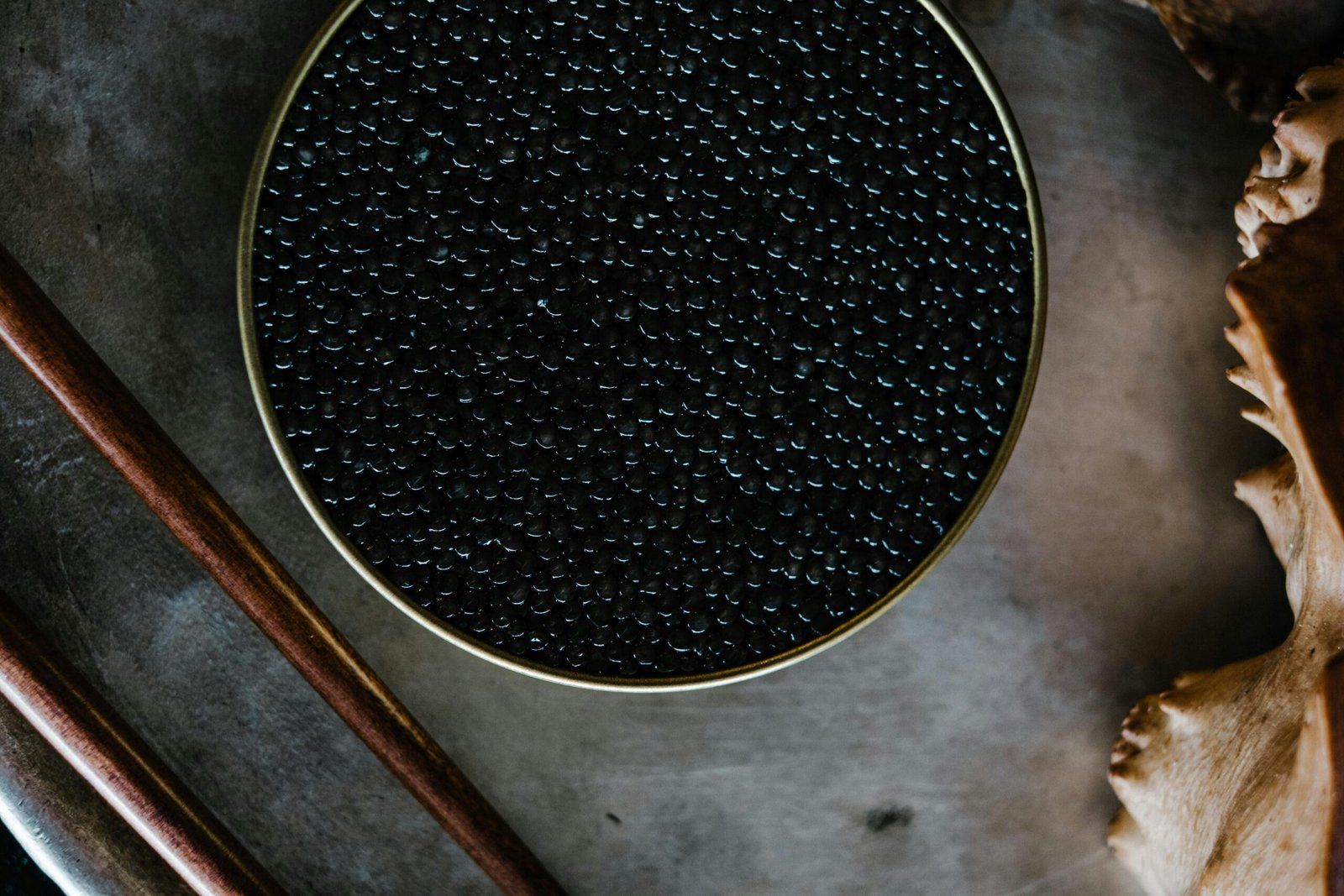
Grain, colour and salt decide what a tin is worth. Here is how each is measured — and why a price without a batch behind it is a guess.
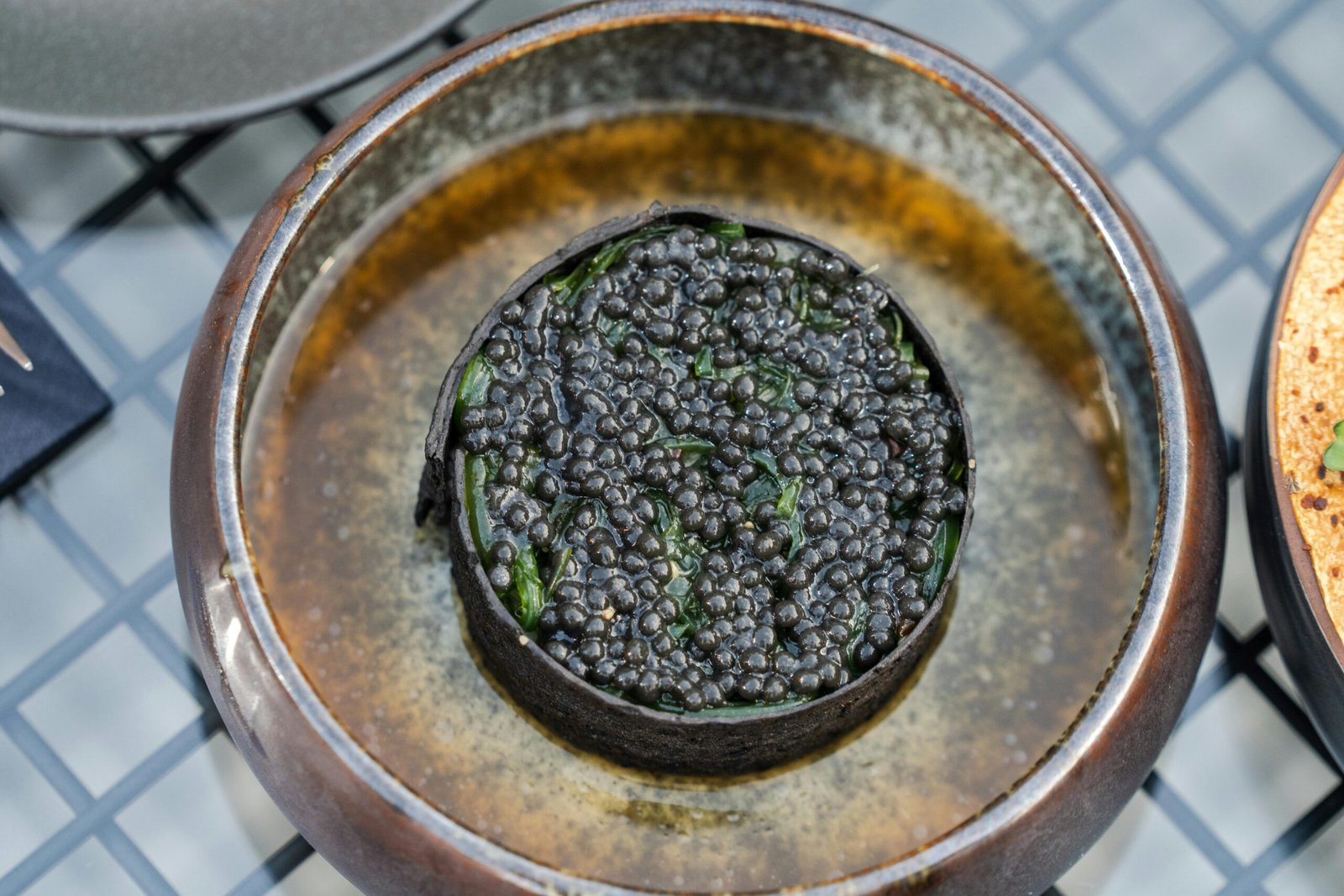
Legal caviar is documented caviar. The export set, the import permit, and who is responsible for each — in one page.

The word on every premium tin, explained in numbers: what malossol salt levels are, and what they do to taste and keeping.

Two degrees up, quality decays. Below freezing, grains burst. Inside the narrow window every serious caviar shipment must prove it stayed in.
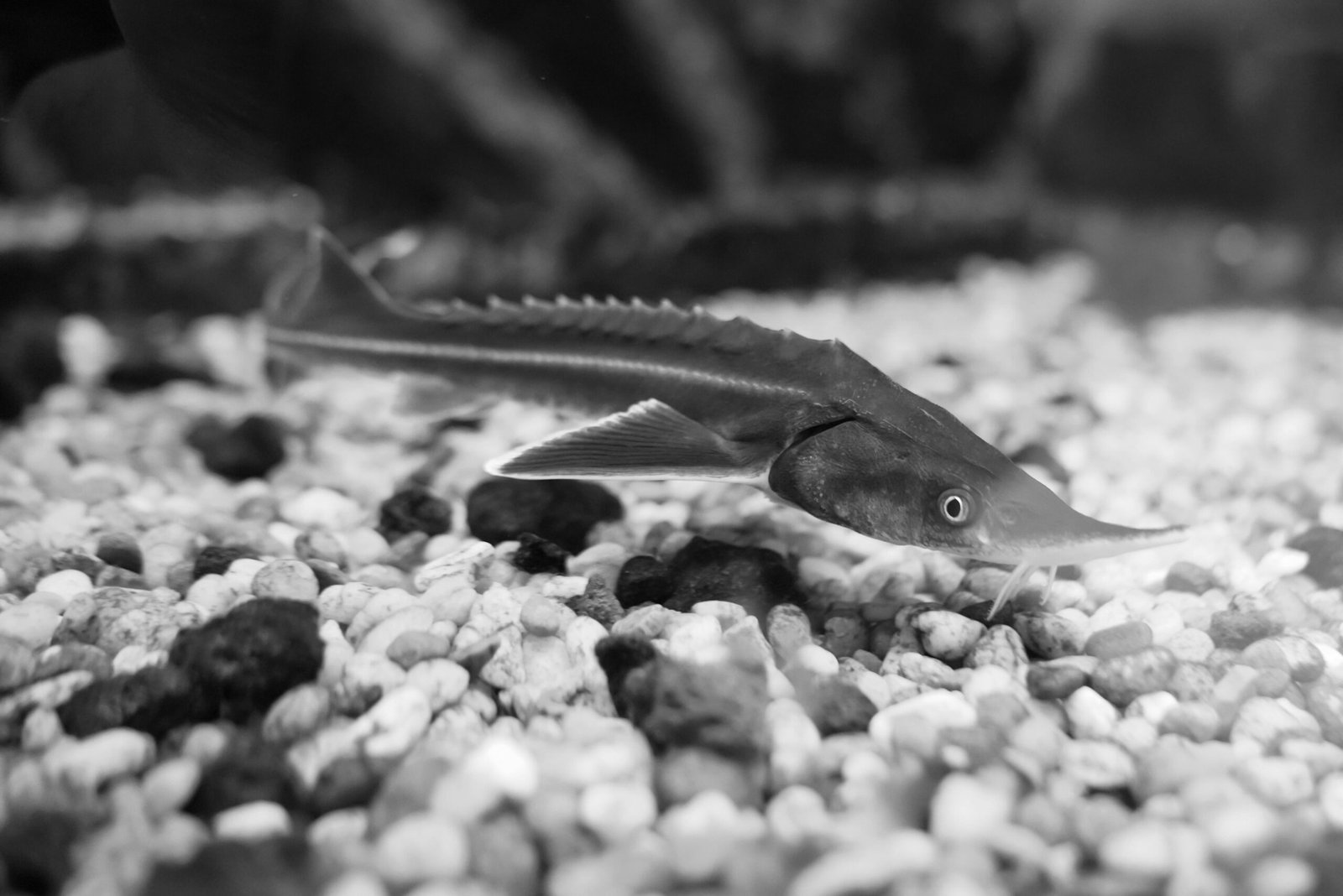
Caviar is one of the few foods where legality and quality are inseparable. Sturgeon are listed under CITES — the Convention on International Trade in Endangered Species of Wild Fauna and Flora — which means every legal tin of caviar crossing a border carries a documented chain of custody back to its source.